Carbon Matters 10: Museum of Rural Life, 25 Years On
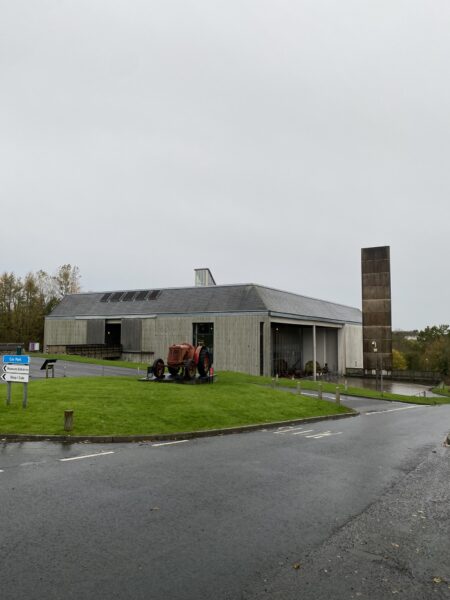
As part of our Carbon Matters series, we took some time last Thursday afternoon to re-visit one of our most significant cultural projects, The Museum of Rural Life in East Kilbride, to see how it has changed and developed ahead of the 25 year anniversary next year. Central to our thinking on sustainability is designing buildings that last.
As a practice we are immensely proud of The Museum of Rural Life. Many of us as parents to young children visit regularly to enjoy the tractors, pigs and playground. It has become part of the cultural fabric of family life in Glasgow, a sustainable community resource. The architecture is clearly inspired by the language of agricultural buildings, but has a nuance and refinement that gives it a timeless quality allowing it to be enjoyed through the generations.
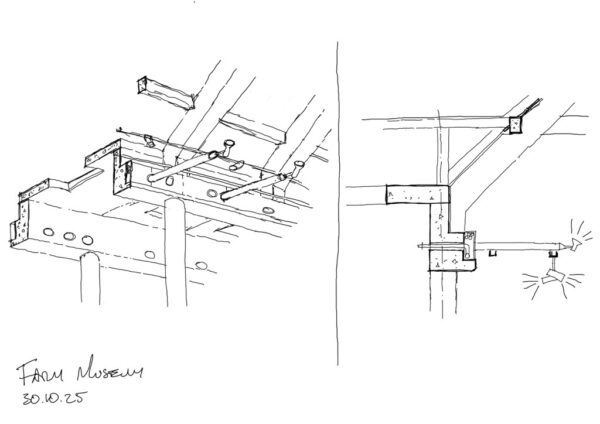
It was fantastic to see how new building services have been installed, woven unnoticed into the existing architecture without undermining the quality of the space or functionality of the building. The architecture was designed to flex and adapt as the museum grew and changed over time.
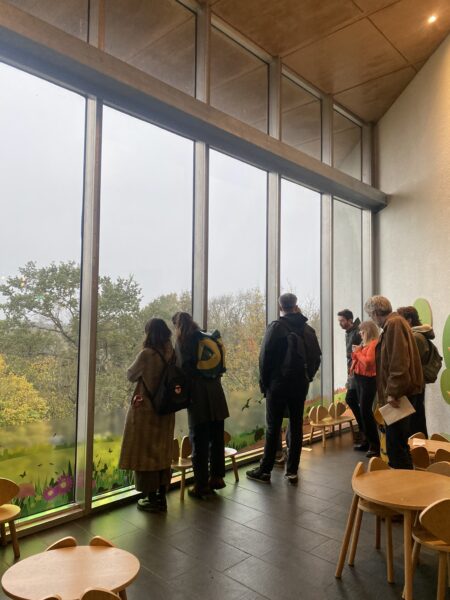
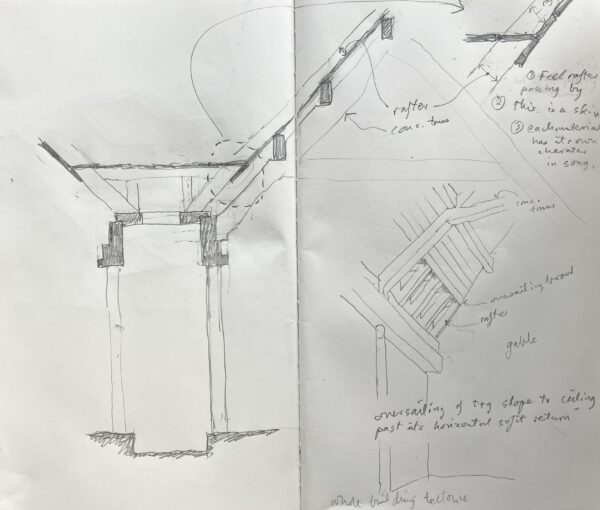
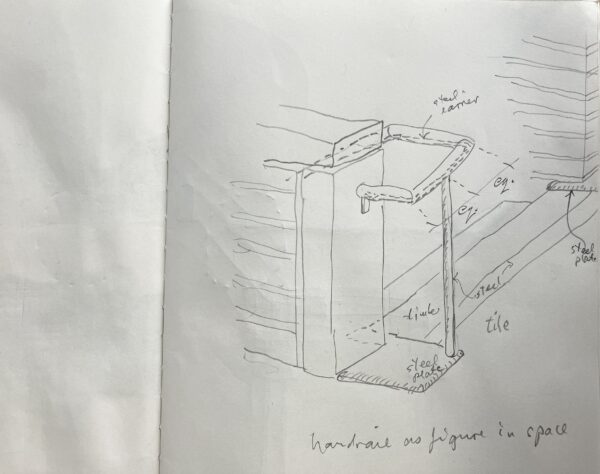
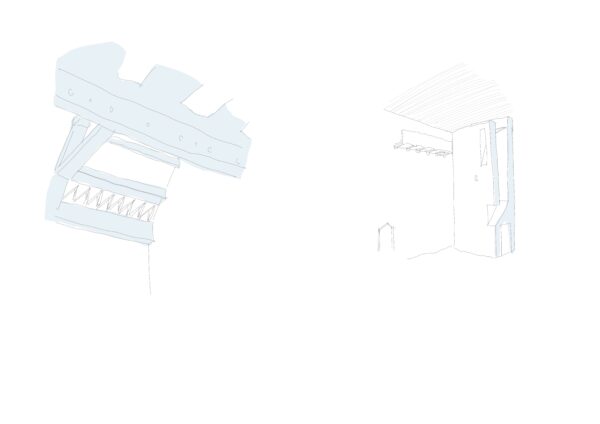
We collectively spent time drawing and sketching to record and learn about the strategic approaches to structure and services and how these relate to the original conceptual ideas and how these ideas have accommodated the ever changing life of the building.
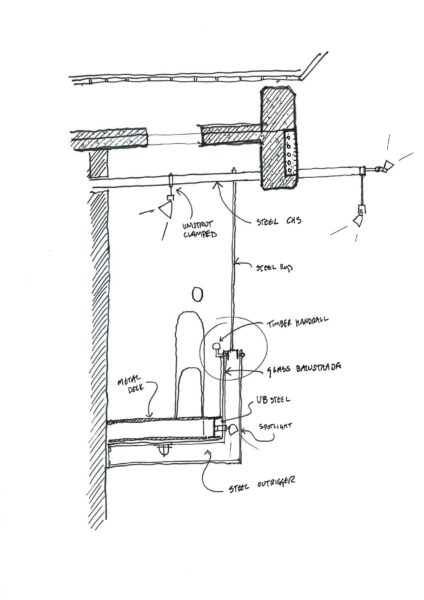
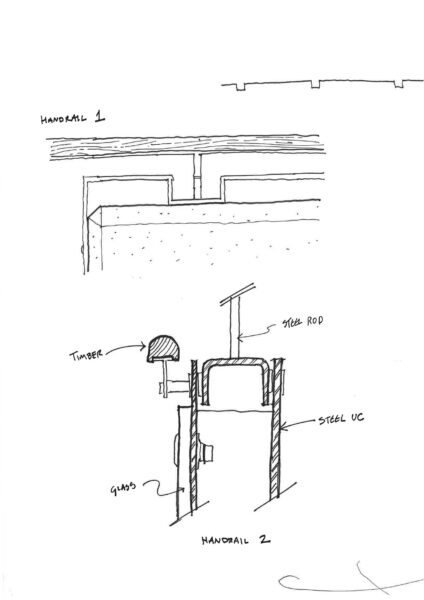
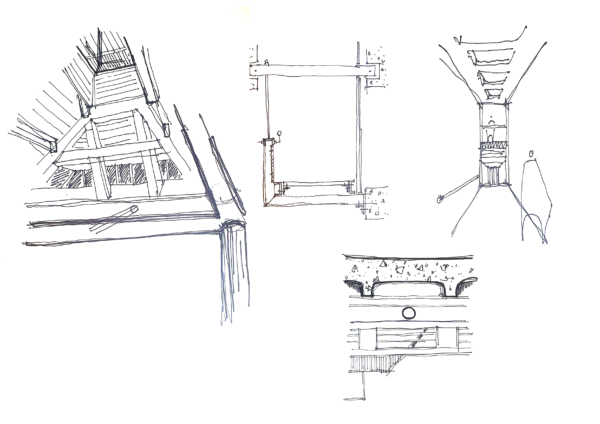
Afterwards, we headed down to the exquisite St. Brides Church by Gillespie Kidd Coia to enjoy another example of brilliant architecture, ideas that transcend the specific and create a community resource for the long term.
Andrew Zahn, Model Maker